The Agentic Trade Hub
AI needs more skilled hands, not fewer.
Every data center, heat pump and EV charger is wired, plumbed and kept running by tradespeople. This hub tracks where that demand is heading, shows how each home system works, and puts AI to work helping owners and pros do the job, not replacing them.
Where the demand is
All three core home trades are projected to grow faster than the 3% average for all jobs. The Bureau of Labor Statistics now names AI and data centers among the reasons electricians and HVAC technicians will be needed.
| Trade | Growth, 2025 to 2035 | Openings a year | Median pay | What’s driving it |
|---|---|---|---|---|
| HVAC technicians | 11% | 40,600 | $61,010 | Data centers, new homes and more sophisticated climate-control systems, plus retrofits and replacements of existing ones. |
| Electricians | 9% | 72,700 | $63,190 | AI and data centers are raising electricity demand, so the grid needs upgrades and new power sources need connecting. |
| Plumbers, pipefitters and steamfitters | 7% | 42,000 | $63,800 | New construction, upkeep of existing buildings, and fire sprinkler systems required by building codes. |
Source: U.S. Bureau of Labor Statistics, Occupational Outlook Handbook, 2025–35 projections and May 2025 wages. All occupations: 3% growth, $50,980 median pay.
How each system works
Labeled diagrams of the systems behind the most common repair bills, with fair install prices and what each one uses.
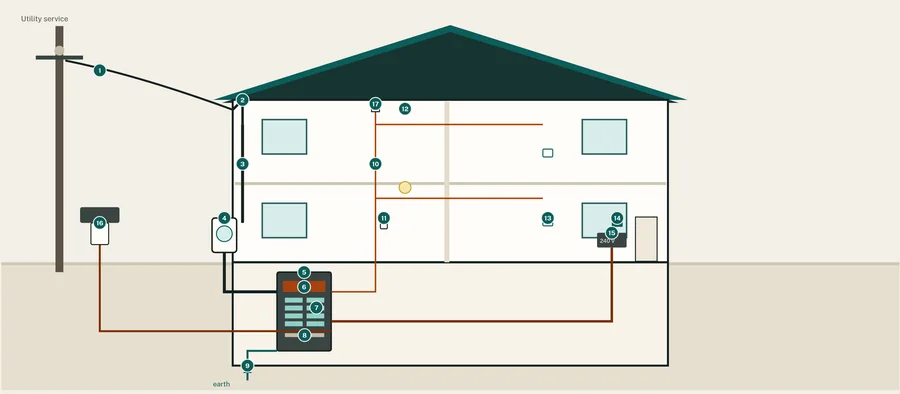
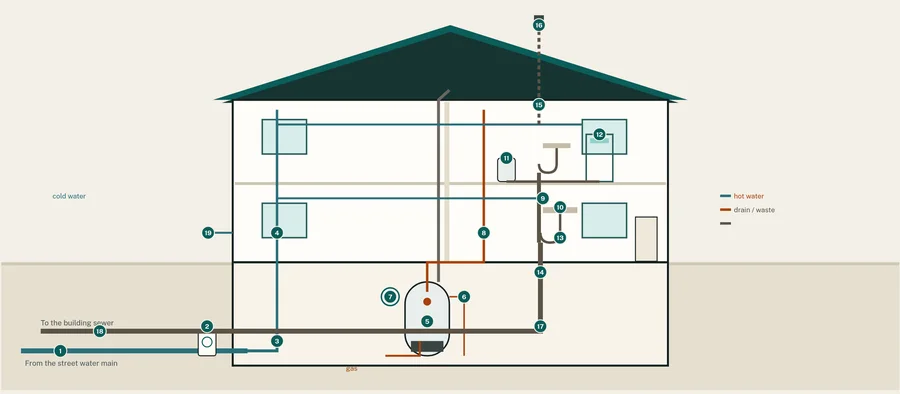
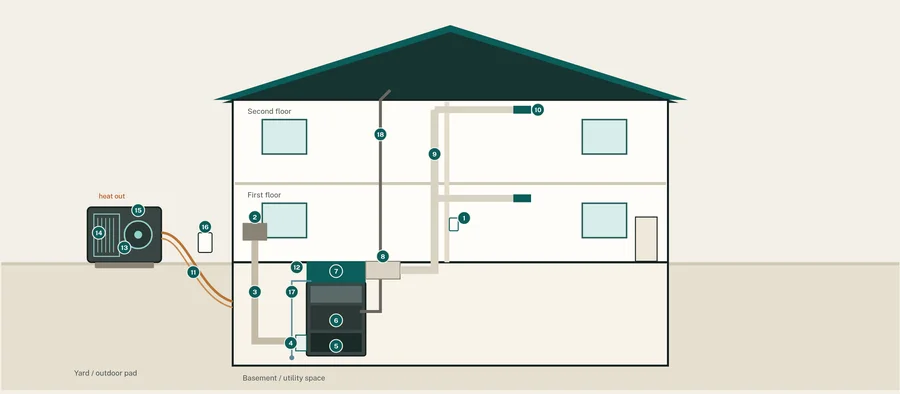
AI on the owner’s side
Friday checks any quote against the fair range for your state. Eight trade specialists explain what’s going on, how urgent it is, and whether it’s a job for you or a pro. Prices only ever come from the index.
AI on the pro’s side
Our method is public, so a contractor can show a customer exactly why a bid is fair. Pros can flag a range that looks wrong, and inspectors can add priced repair reports to their own.
Getting into the trades
Most electricians and plumbers learn through a paid apprenticeship of four to five years, with about 2,000 hours of on-the-job training each year. Most HVAC technicians start with a certificate program of six months to two years, and nearly all need EPA certification to handle refrigerants. Most states license electricians and plumbers.